
Keratin Bonds vs Tape-In Extensions: The Definitive Comparison
Two gold-standard professional methods compared side-by-side. An honest, in-depth guide by East London extension specialists Mădălina & Cornelia to help you choose the perfect method for your hair.
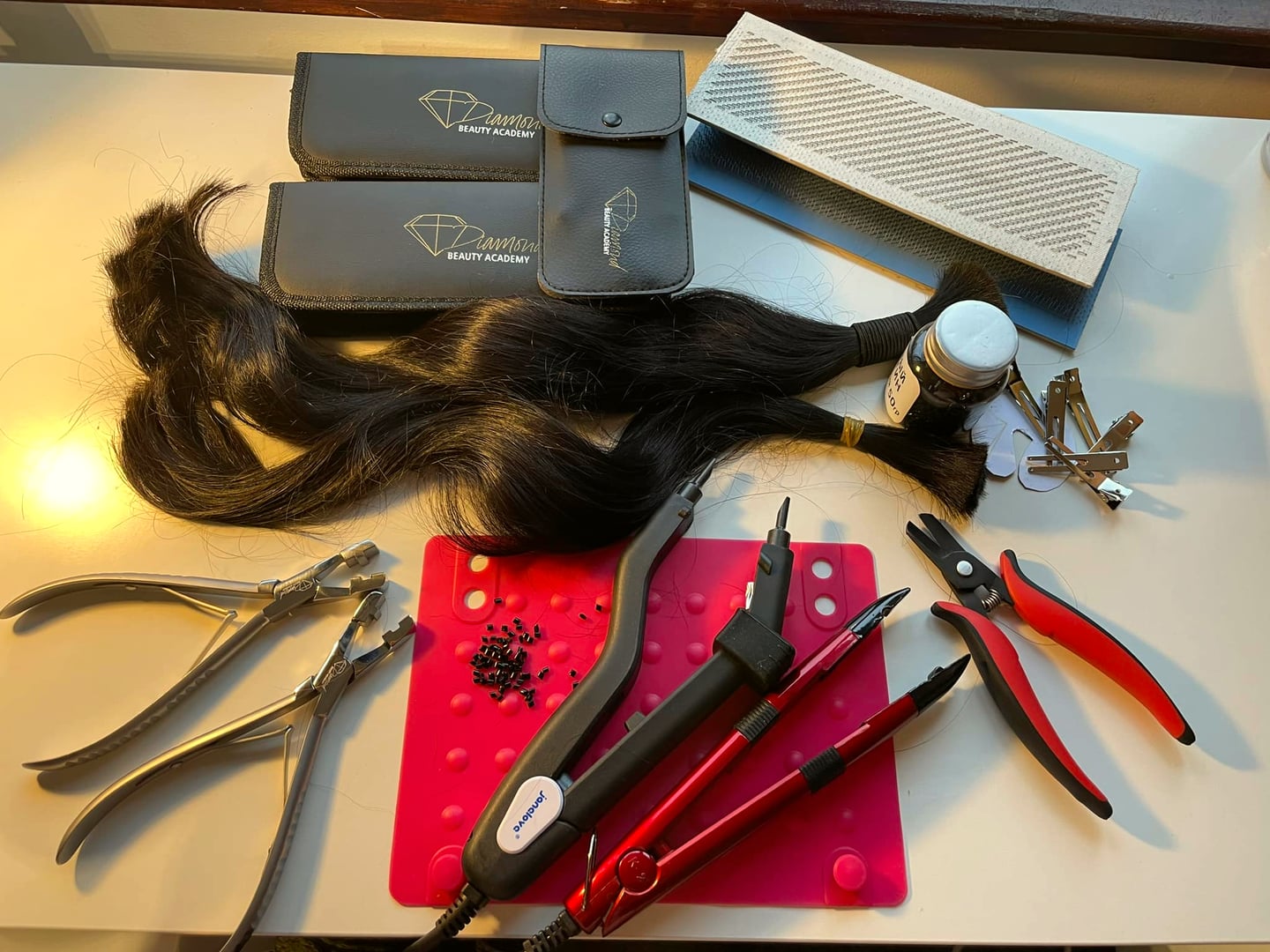
Choosing between Keratin Bond Hair Extensions and Tape-In Hair Extensions is one of the most critical decisions you will make when investing in your hair. Both are premium, salon-grade methods capable of delivering stunning length, volume, and thickness—but they function in fundamentally different ways.
At Sisters Hair Extensions, we have fitted hundreds of both methods for clients across London and Essex. We do not believe in pushing one single technique onto every client. Instead, the right choice depends on your natural hair density, daily styling habits, workout frequency, budget structure, and long-term beauty goals.
In this definitive guide, we provide an exhaustive side-by-side breakdown of durability, maintenance schedules, upfront versus lifetime costs, fine hair suitability, and daily lifestyle considerations so you can make an informed, confident decision.
The Master Comparison: Keratin Bonds vs Tape-Ins
Here is our clinical, feature-by-feature comparison across all key technical and practical metrics:
| Feature / Metric | Keratin Bonds (Hot Fusion) | Tape-In Extensions |
|---|---|---|
| Application Method | Individual strands heat-fused to natural hair with Italian keratin capsules. | Pre-taped 4cm wefts sandwiched around thin slices of natural hair. |
| Application Time | 3 to 5 hours (handcrafted precision strand-by-strand fitting). | 60 to 90 minutes (fast panel placement). |
| Wear Cycle per Session | 3 to 4 months of continuous wear before salon refit. | 6 to 8 weeks before routine repositioning and re-taping. |
| Hair Reusability & Lifespan | Premium hair reusable for 9 to 18 months with professional re-tipping. | Wefts reusable for 9 to 12 months with fresh hypoallergenic tape tabs. |
| Visibility & Profile | Discreet rice-grain capsules; 100% invisible even in thin layers. | Ultra-flat to scalp; invisible under medium layers; requires crown veil. |
| Movement & Updos | 360-degree fluid rotation; effortless high ponytails and buns. | Horizontal flow; ideal for low ponytails, waves, and half-up styles. |
| Best Hair Types | Fine to thick hair, sparse patches, short hair, active lifestyle. | Medium to thick hair, blunt cuts, fine hair seeking perimeter density. |
| Cost Structure | Higher initial application investment; fewer salon visits per year. | Lower initial fitting cost; regular 6–8 week maintenance visits. |
| Removal Method | Organic alcohol-based keratin release gel + gentle removal tool. | Citrus/alcohol adhesive release spray; rapid slide-out. |
Cost Comparison: Upfront Investment vs Total Cost of Ownership
When evaluating hair extension pricing, it is essential to look beyond the initial fitting quote and consider the total cost of ownership over a 12-month period.
Keratin Bonds Cost Breakdown
Keratin bonds require a higher upfront investment because each individual bond is hand-crafted and fitted strand-by-strand over 3 to 5 hours by certified specialists.
- Initial Fitting (Hair + Application): Higher initial investment depending on length (16" to 28") and volume.
- Appointment Frequency: Only 3 to 4 visits per year.
- Maintenance Cost: £250–£350 for complete removal, re-tipping with fresh keratin, and full reapplication.
- Best Value For: Clients who prefer fewer salon visits and want a long-term, set-and-forget investment.
Tape-Ins Cost Breakdown
Tape-ins have a lower initial fitting cost due to the faster application time (1 to 2 hours), making them very accessible for first-time wearers.
- Initial Fitting (Hair + Application): Moderate initial investment for hair panels and quick installation.
- Appointment Frequency: 6 to 8 visits per year (every 6–8 weeks).
- Maintenance Cost: Regular refit and re-taping fee per session.
- Best Value For: Clients who prefer spreading salon costs into smaller, regular bi-monthly visits.
For full pricing details across all lengths and hair weights, view our transparent hair extensions price list.
Longevity & Maintenance Comparison
How much time do you want to spend in the salon versus maintaining your extensions at home?
| Maintenance Aspect | Keratin Bonds | Tape-In Extensions |
|---|---|---|
| Refit Frequency | Every 3 to 4 months. | Every 6 to 8 weeks. |
| Daily Brushing Routine | Brush roots to ends with a loop brush; separate bonds daily with fingers. | Brush mid-lengths to ends; support tape roots while brushing. |
| Washing Guidelines | Wash 2–3 times a week; keep oils away from root capsules. | Wash 2–3 times a week; avoid hot water & silicones on tape adhesives. |
| Blow-Drying Requirements | Blow-dry root bonds on low-to-medium heat; never sleep with damp hair. | Dry tape tabs immediately after washing to prevent moisture weakening glue. |
To maintain the health of your natural hair throughout any extension cycle, review our aftercare service guidelines and our comprehensive Hair Extension Aftercare Complete Guide.
Fine Hair Recommendations: Which Method Is Safest?
Clients with fine, thin, or delicate hair often worry that extensions will cause tension or visible attachment points. Both methods can be worn safely on fine hair, but they serve different fine-hair profiles:
Keratin Bonds for Fine Hair (The Gold Standard)
For clients with very sparse hair density, patchy areas, or fine crown layers, keratin bonds are our top recommendation. Why?
- Micro & Mini Bond Customisation: We cut standard 1g bonds into 0.5g mini bonds and 0.3g micro bonds. This ensures the weight of the extension strand never exceeds the holding strength of the natural root hairs.
- Discreet Perimeter Placement: Micro bonds can be safely fitted higher up the parietal ridge and closer to the temples without showing.
- 360-Degree Movement: Eliminates pulling and tension points when moving or tying up delicate hair.
Tape-Ins for Fine Hair (The Instant Volume Fill)
If your hair is fine in texture but has reasonable root density, tape-ins offer an exceptional way to build instant fullness:
- Wide Weight Distribution: Spreads hair weight evenly across a 4cm section of natural hair.
- Single-Sided Tape Application: For delicate areas, we pair one extension weft with a paper-thin clear tape backing, halving the weight load.
- Fast Baseline Density: Perfect for transforming fine, wispy bobs into thick, blunt perimeter styles.
For an in-depth clinical analysis of hair density vs. strand thickness, read our specialized guide on Hair Extensions for Fine Hair in London.
Lifestyle Considerations: Gym, Swimming, Sleeping & Styling
Your daily lifestyle is one of the most important factors in choosing between keratin fusion and tape-ins:
Active Lifestyle & Gym Enthusiasts
Winner: Keratin Bonds
If you work out 4–6 days a week, sweat heavily, or wear high, tight gym ponytails, keratin bonds are by far the superior choice. Keratin protein seals are completely unaffected by scalp sweat, whereas heavy moisture and sebum can weaken tape adhesive over time.
Swimmers & Holiday Travelers
Winner: Keratin Bonds
Chlorine and saltwater can degrade tape adhesives if exposed frequently. Keratin bonds are far more resilient in water, provided you apply a protective leave-in conditioner to mid-lengths and tie hair into a secure swim braid.
Frequent Style Changers & Event Glamour
Winner: Tape-In Extensions
If you want extra hair for a wedding, photoshoot, holiday, or special event, tape-ins can be fitted in 60 minutes and removed just as quickly without a long salon appointment.
Low-Maintenance Daily Wearers
Winner: Keratin Bonds
If you want hair that you can brush, style, and wash without thinking about bi-monthly salon refits, keratin bonds let you wake up every morning for 3 to 4 months with effortless, natural-moving hair.
Which Method We Recommend Most Often (and Why)
After fitting thousands of extensions at Sisters Hair Extensions, here is our honest, expert perspective:
There is no single "winner" between keratin bonds and tape-ins because both methods excel at different objectives.
- We recommend Keratin Bonds to 65% of our clients—particularly those who want long-term, seamless results, those with fine or delicate hair, clients wanting major length transformations, and active women who love high ponytails.
- We recommend Tape-Ins to clients who want fast application, those looking to add density and volume to a bob or mid-length cut, and clients who love the high ROI of reusing the same hair panels every 6 to 8 weeks.
That is why every client journey at Sisters Hair Extensions begins with a comprehensive, one-on-one consultation. Read what to expect during your first hair extension consultation, or book your consultation online.
Frequently Asked Questions on Keratin vs Tape-Ins
Keratin bonds vs tape-ins — which lasts longer?
Keratin bonds provide longer uninterrupted wear per cycle, lasting 3 to 4 months between salon visits (with the high-grade hair maintaining quality for 9 to 18 months). Tape-ins require repositioning every 6 to 8 weeks, but the same hair can be reused across 4 to 6 maintenance cycles (up to 12 months).
Which method is better for fine or thin hair?
For very fine, sparse, or delicate hair, keratin bonds (especially mini and micro bonds) are usually superior because they offer 360-degree rotation, minimal strand weight, and can be placed closer to partings. However, for fine hair with reasonable density seeking instant perimeter fullness, lightweight single-sided tape-ins are also an exceptional option.
Which is more expensive in the long run: keratin bonds or tape-ins?
Keratin bonds have a higher upfront fitting cost due to the 3–5 hour handcrafted application, but require fewer salon visits throughout the year. Tape-ins have a lower initial fitting fee, but require regular refit appointments every 6–8 weeks. Over a 12-month period, the total investment is comparable.
Can I switch from tape-ins to keratin bonds (or vice versa)?
Yes! Many clients start with tape-ins for a quick volume boost or event, and later switch to keratin bonds for long-term low-maintenance wear. We evaluate your natural hair health and scalp at your free consultation before transitioning methods.
Do keratin bonds or tape-ins cause more damage to natural hair?
Neither method causes damage when applied, maintained, and removed correctly by a certified specialist. Damage only occurs from improper DIY removal, using incorrect products with sulfates/oils, or leaving extensions in past their maintenance window.
Can I tie my hair up in a high ponytail with both methods?
Keratin bonds offer full 360-degree natural movement, making high ponytails and buns seamless and invisible. Tape-ins lie horizontally flat against the skull, making low and mid ponytails effortless; high ponytails require mindful styling or specialized perimeter tape placement.
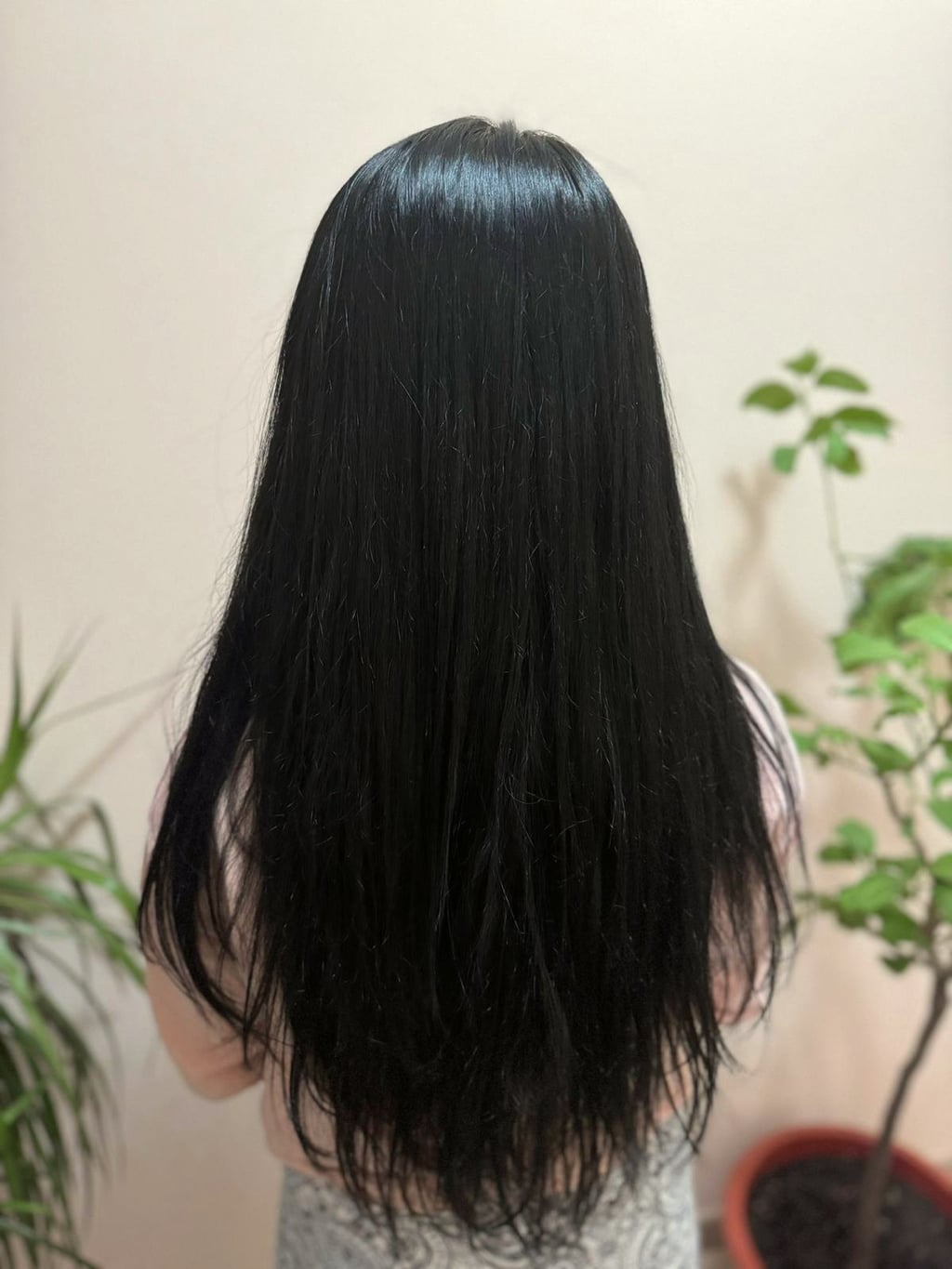
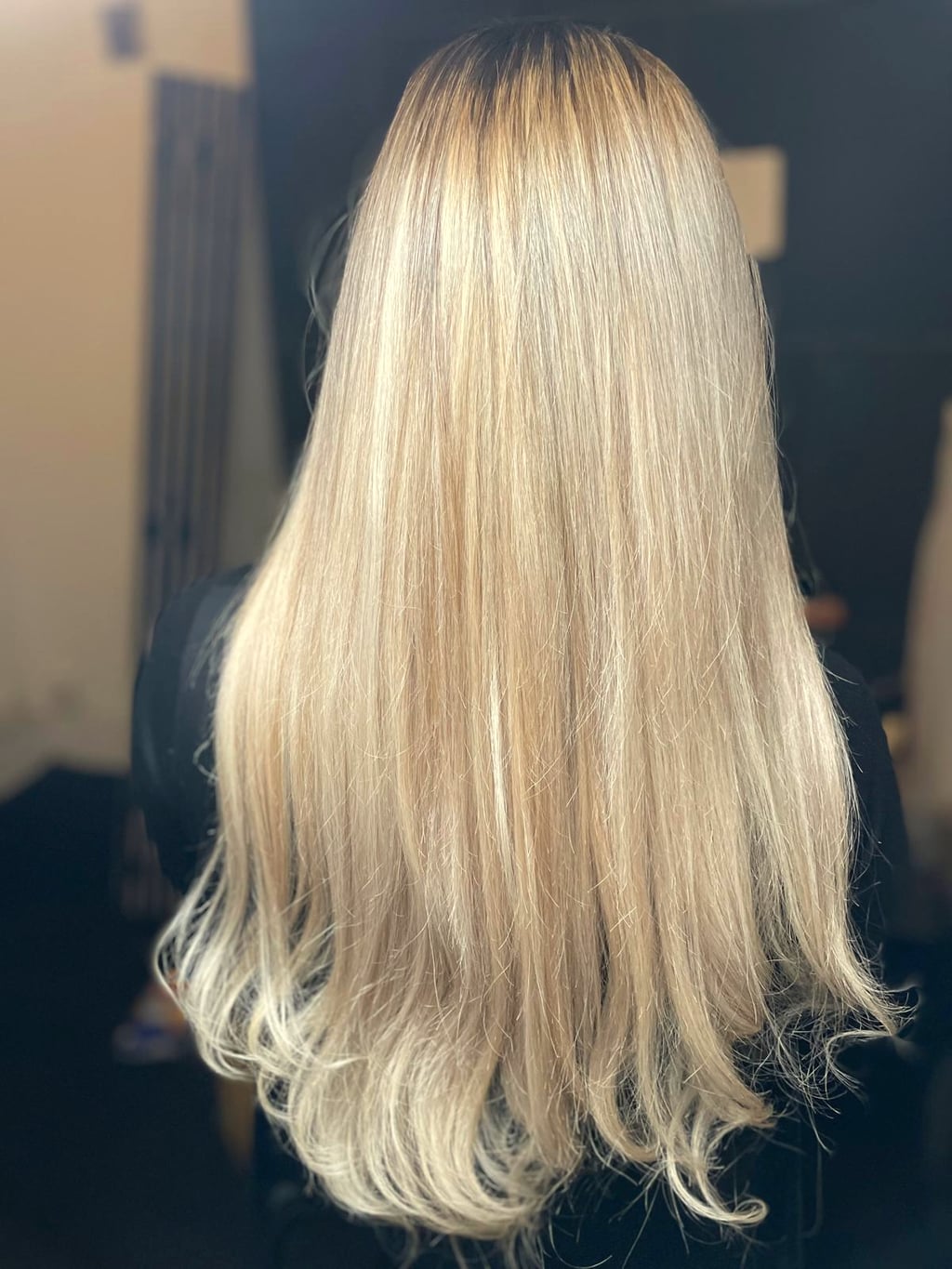
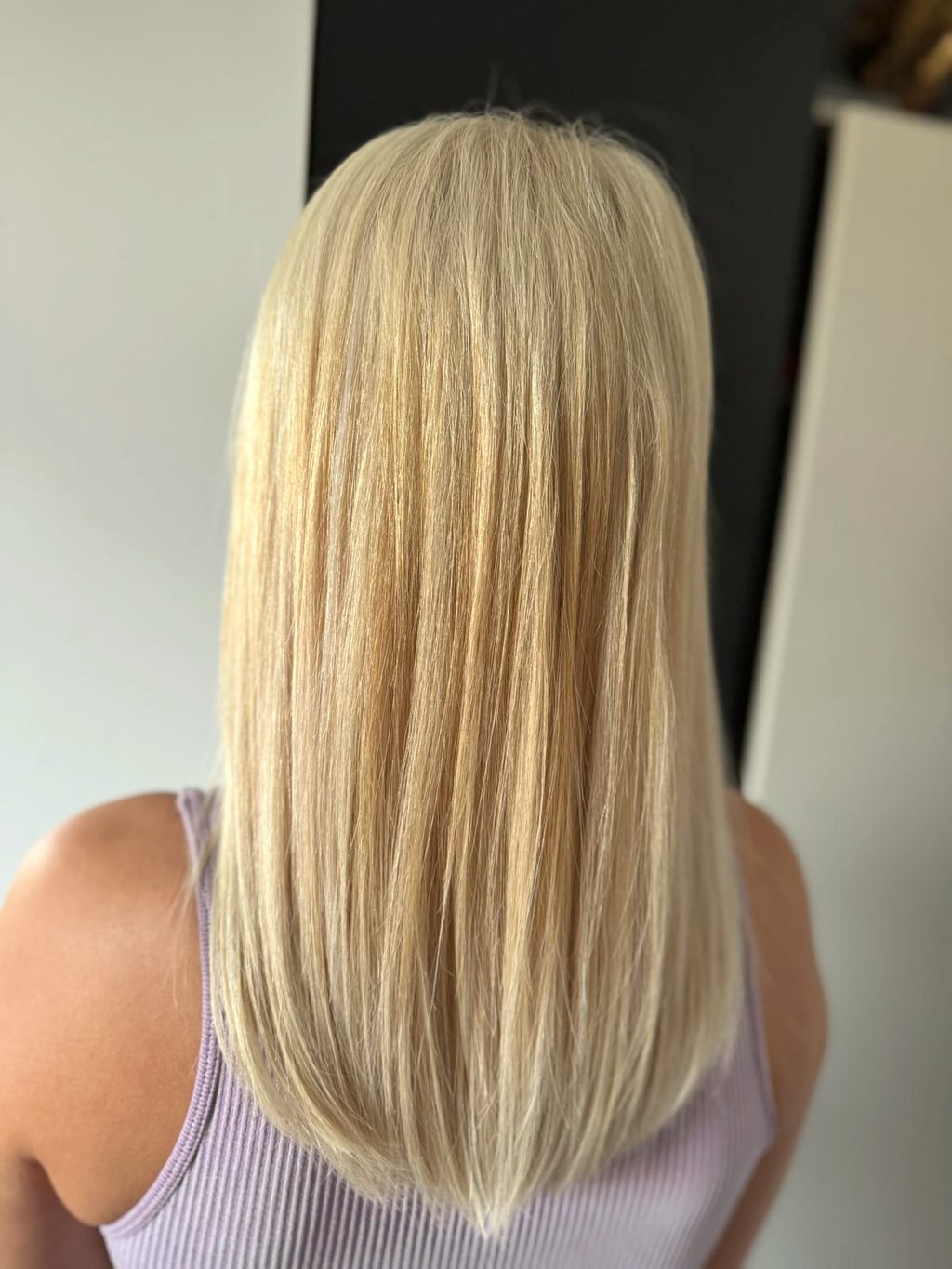
Follow Our Work on Instagram
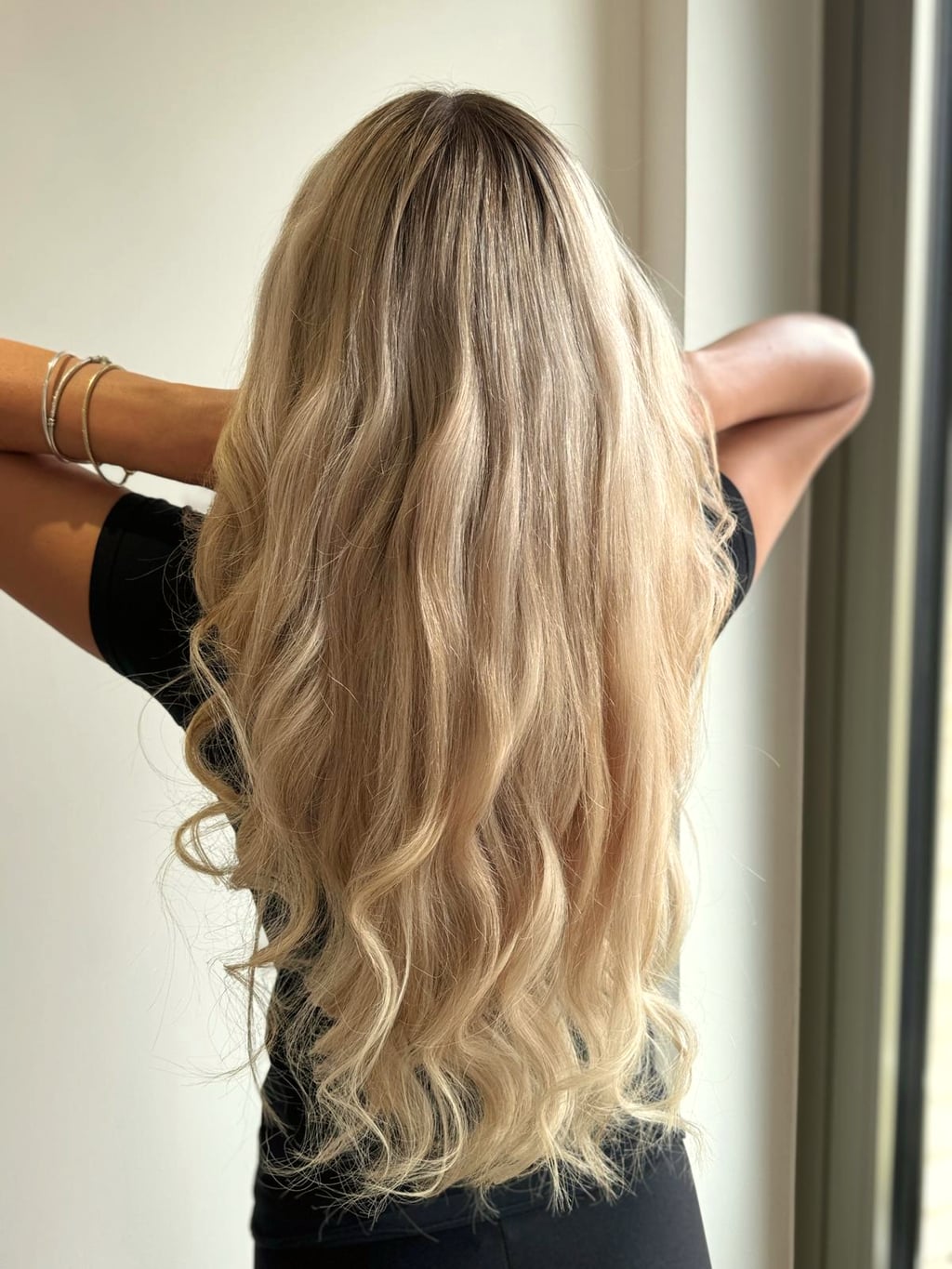
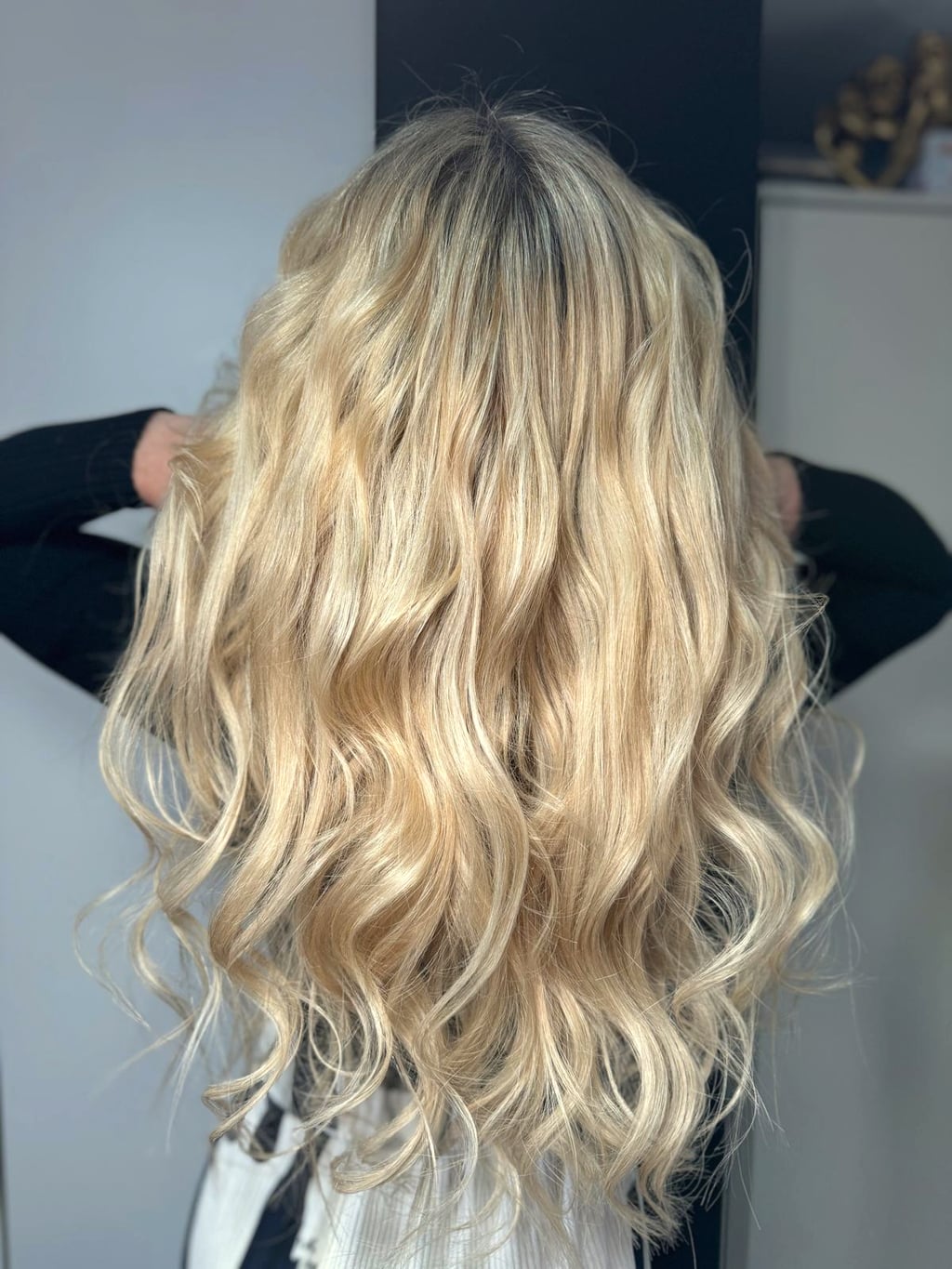
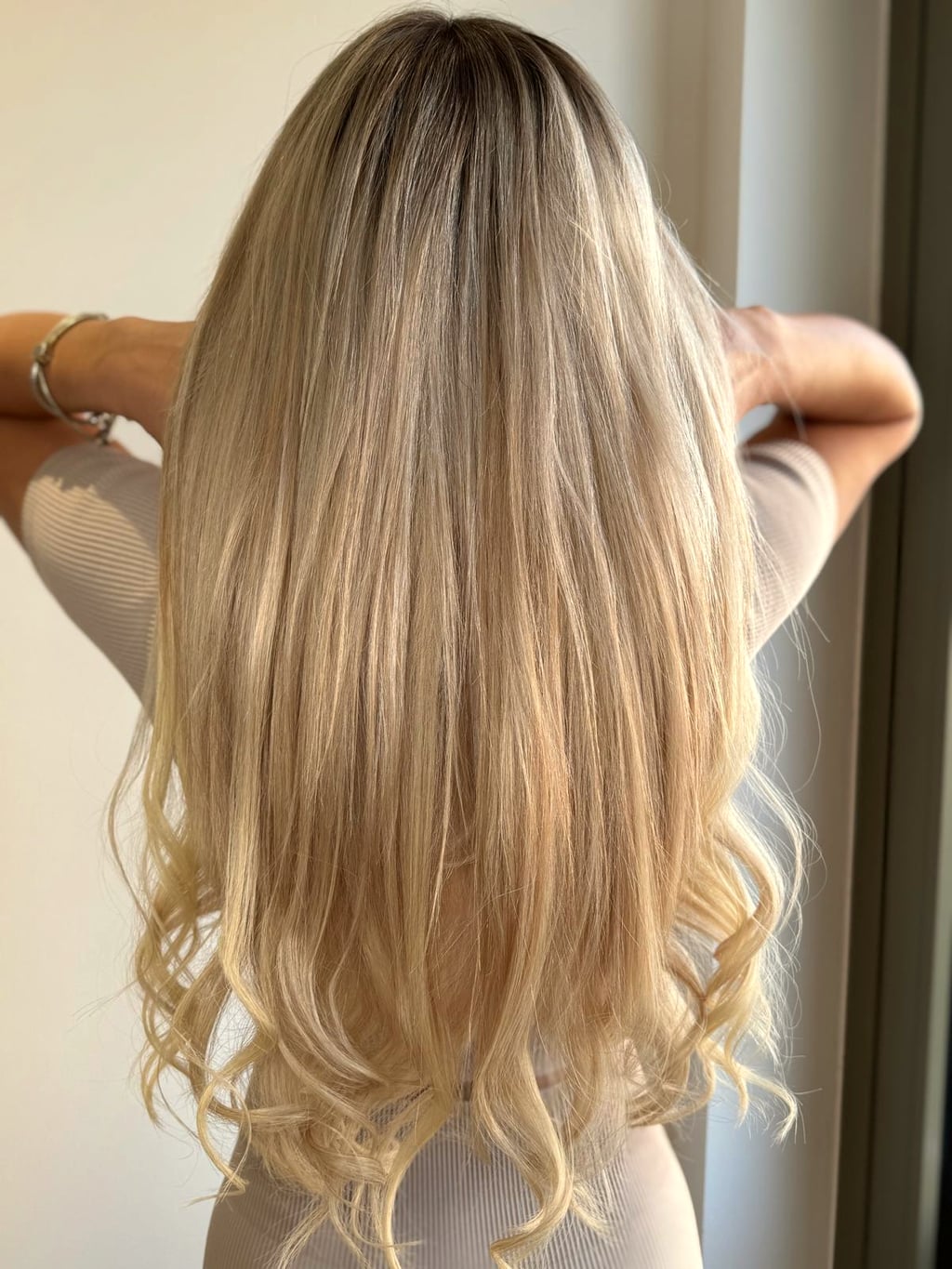
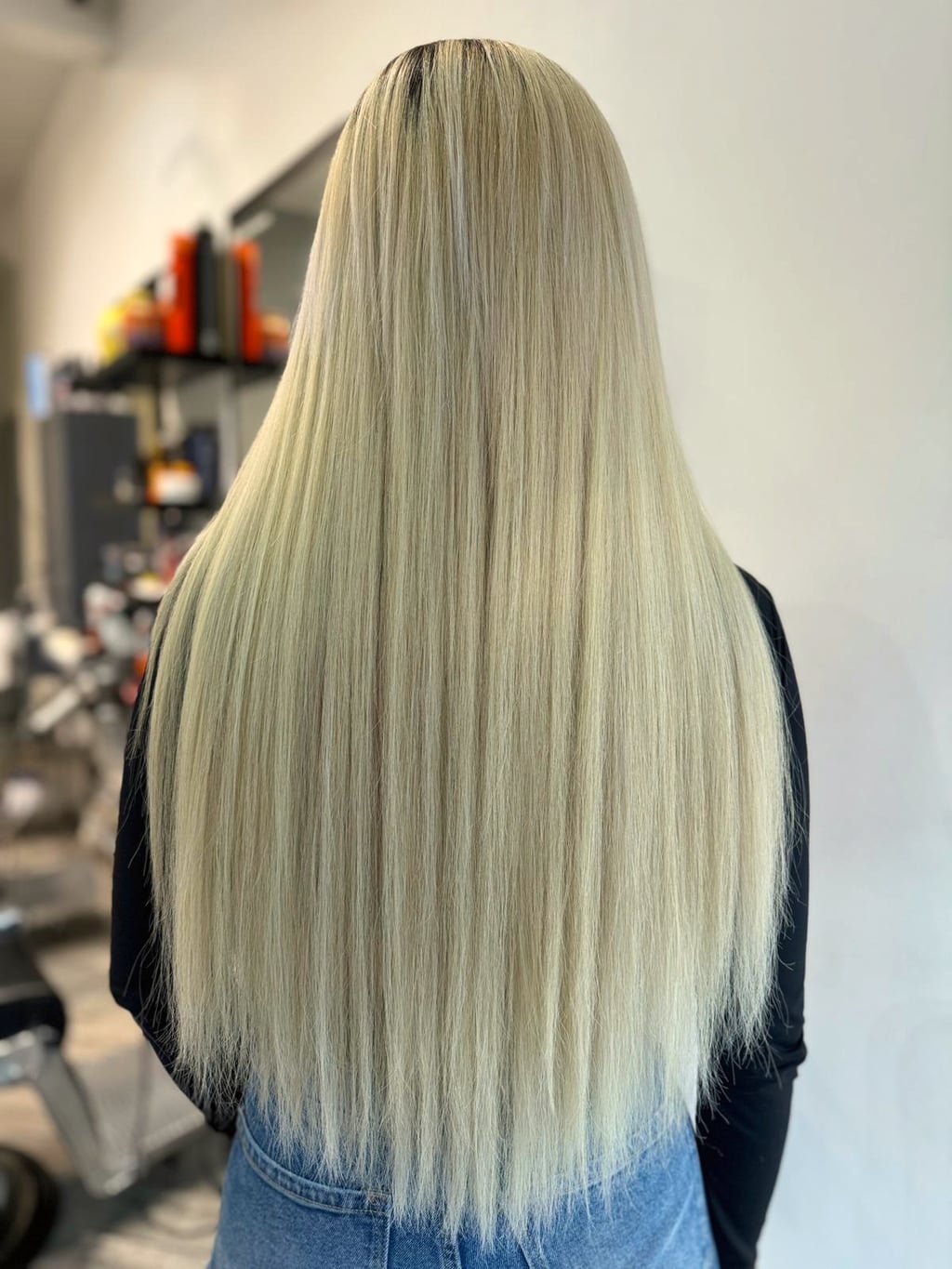
See more real transformations & daily updates @sistershairextextensions

Not Sure Which Method Suits You Best?
Book a free consultation with Mădălina & Cornelia in East London. We'll examine your hair texture, scalp density, and lifestyle to recommend the exact method that will look breathtaking on you.